 English
 العربية
 by
by 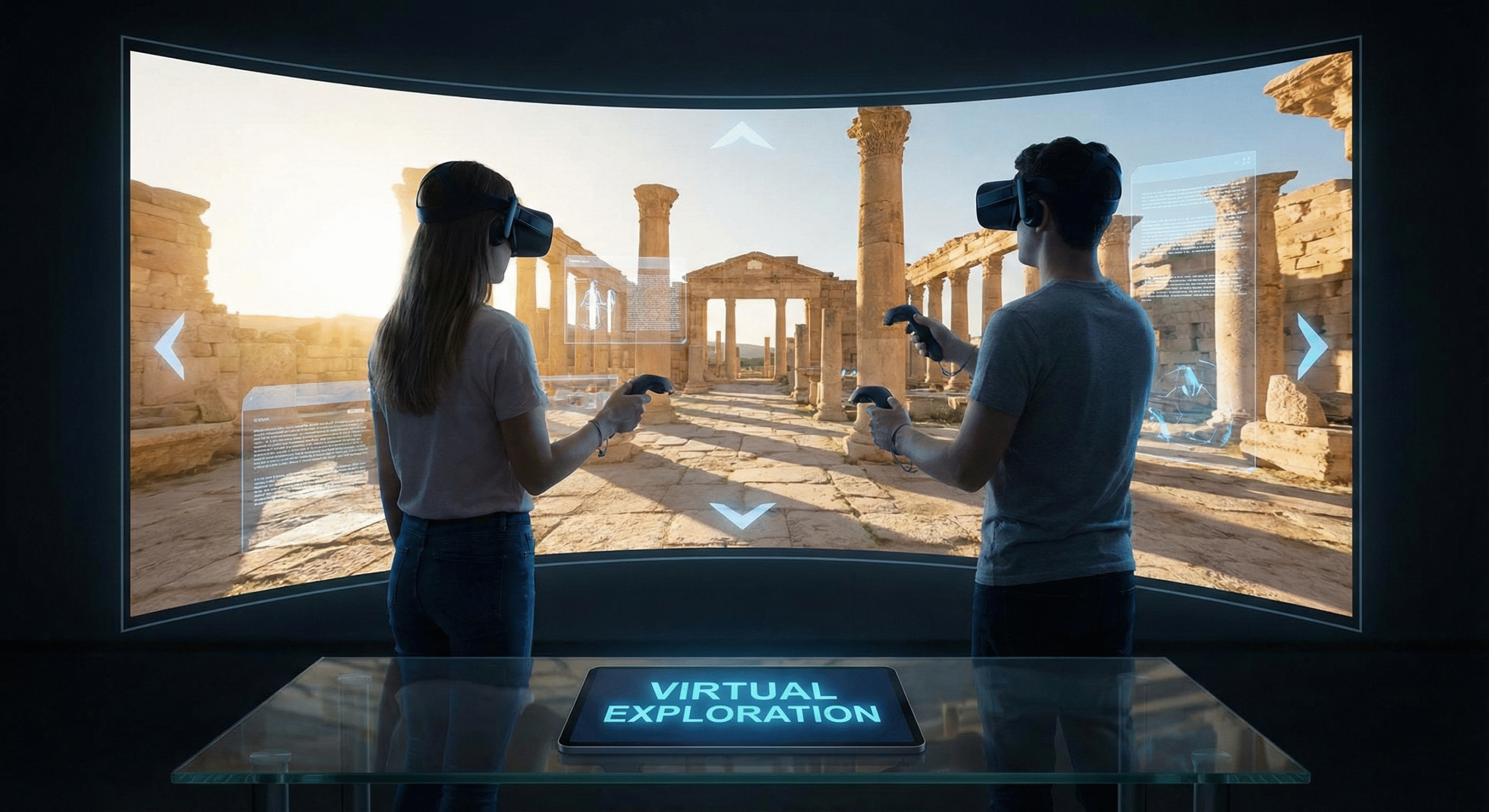
In the accelerating digital age, modern technology offers us innovative solutions that allow us to explore the world from our homes. Among the most prominent innovations that have changed how we interact with travel and tourism, education, and even e-commerce are Virtual Exploration / Virtual Tours. In this comprehensive guide to virtual tours, we will delve into the concept of virtual tours, virtual reality technologies, their practical applications, and how to benefit from virtual tours in various fields.
What Exactly is a Virtual Tour?
Virtual tours (Virtual Exploration) are interactive simulations of real or imaginary locations, created using 3D panoramic imaging technologies, virtual reality (VR), and augmented reality (AR). They allow users to navigate freely in a virtual environment, as if they were physically present at the location, providing a unique immersive experience. For a detailed definition, you can refer to this comprehensive guide from TechTarget.
With Virtual Exploration / Virtual Tours, users can experience remote locations like never before, enhancing their understanding and appreciation of the world.
Virtual Tour Technologies Used in Virtual Exploration
1. 360-Degree Panoramic Photography
- Using specialized 360-degree cameras that rotate to capture all angles
- Merging panoramic images to create a complete spherical scene
- Adding interactive hotspots for navigation between scenes
2. Virtual Reality (VR)
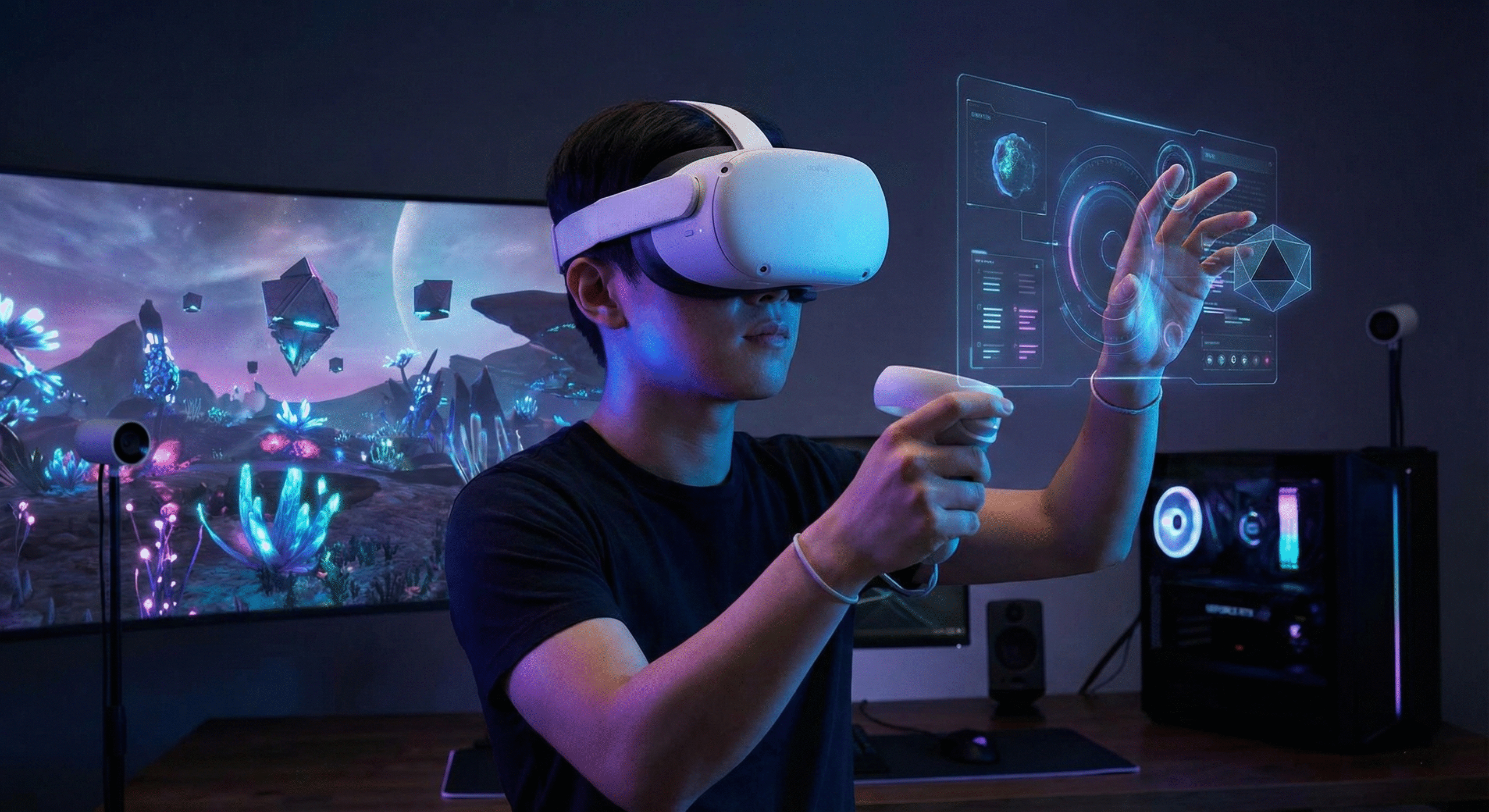
- Using VR headsets like Oculus Quest or HTC Vive
- Complete immersive experience with a sense of physical presence
- Supporting interaction with elements in the virtual environment
3. Augmented Reality (AR)
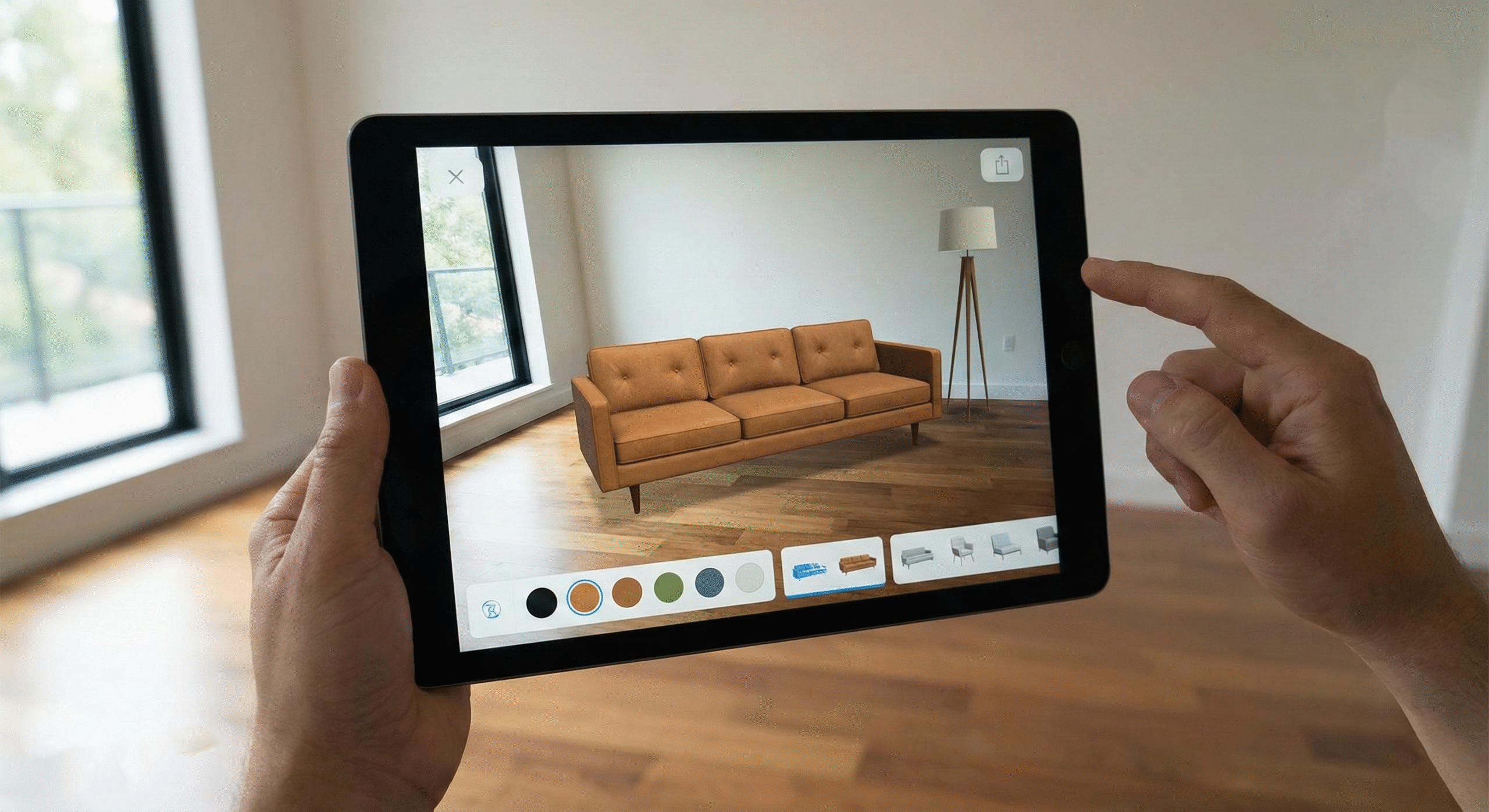
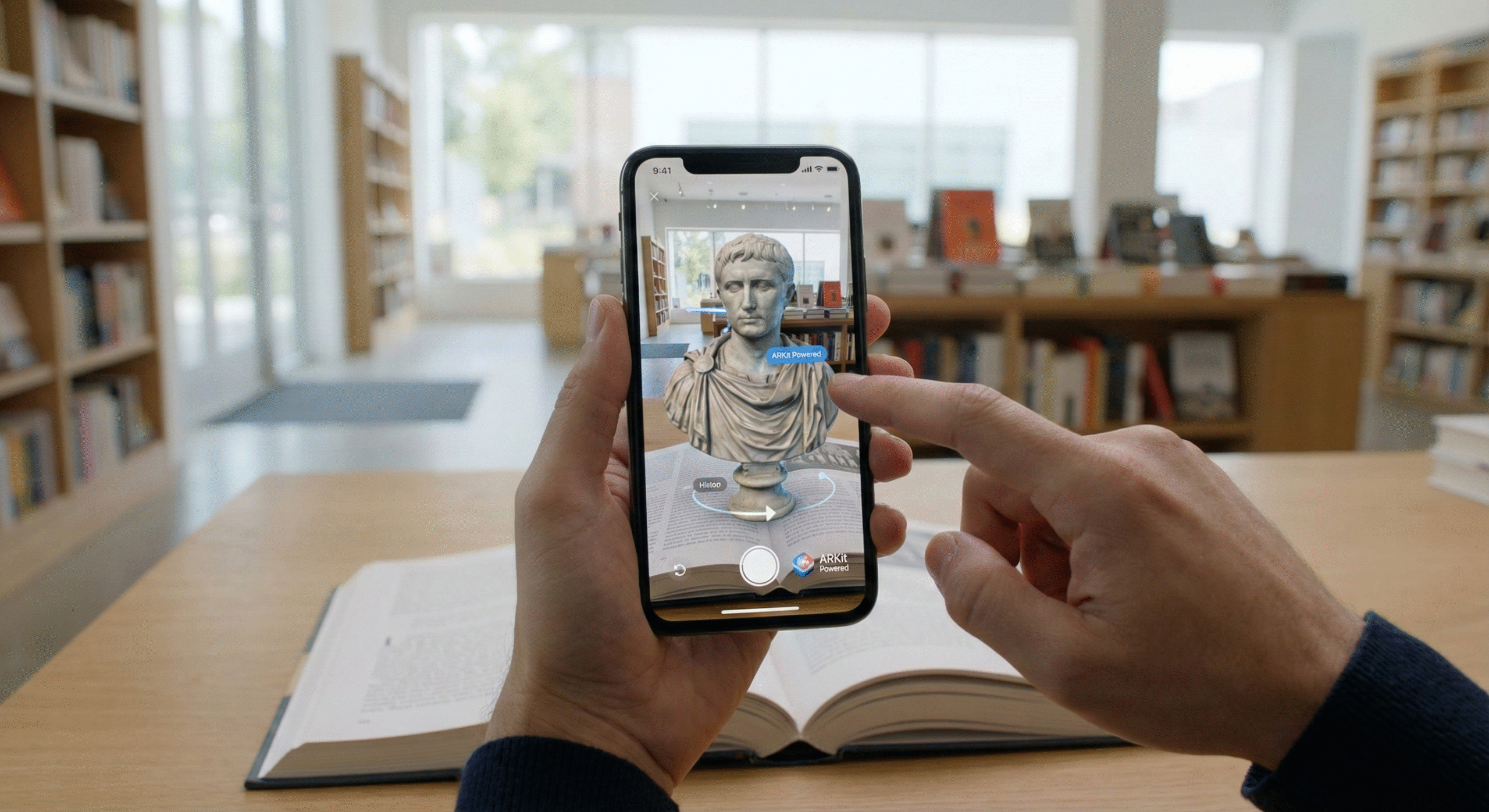
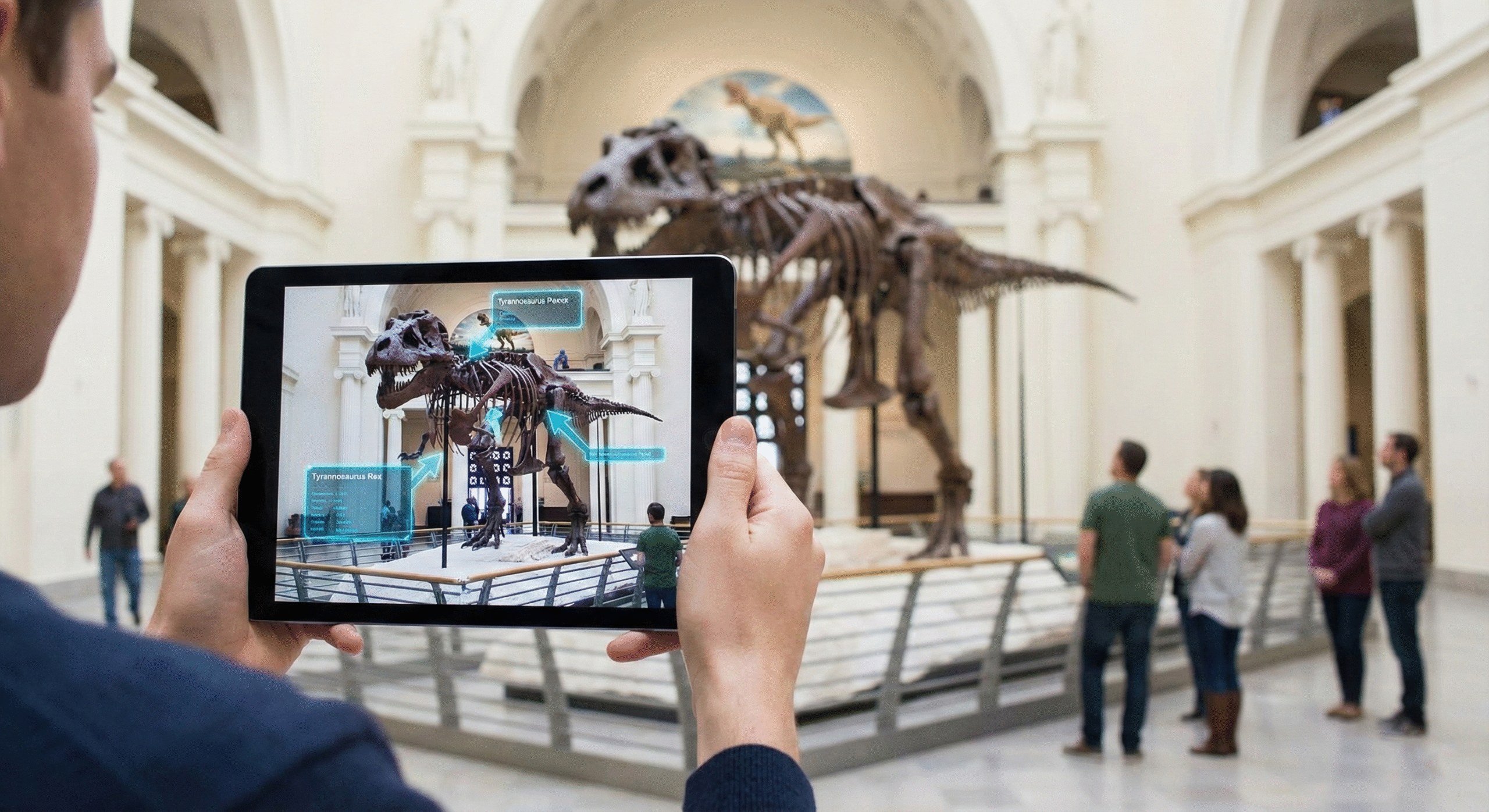
- Integrating virtual elements with the real environment
- Useful in interior design applications, virtual shopping, and education
- Learn more about AR technology at Apple’s ARKit
4. Interactive Technologies
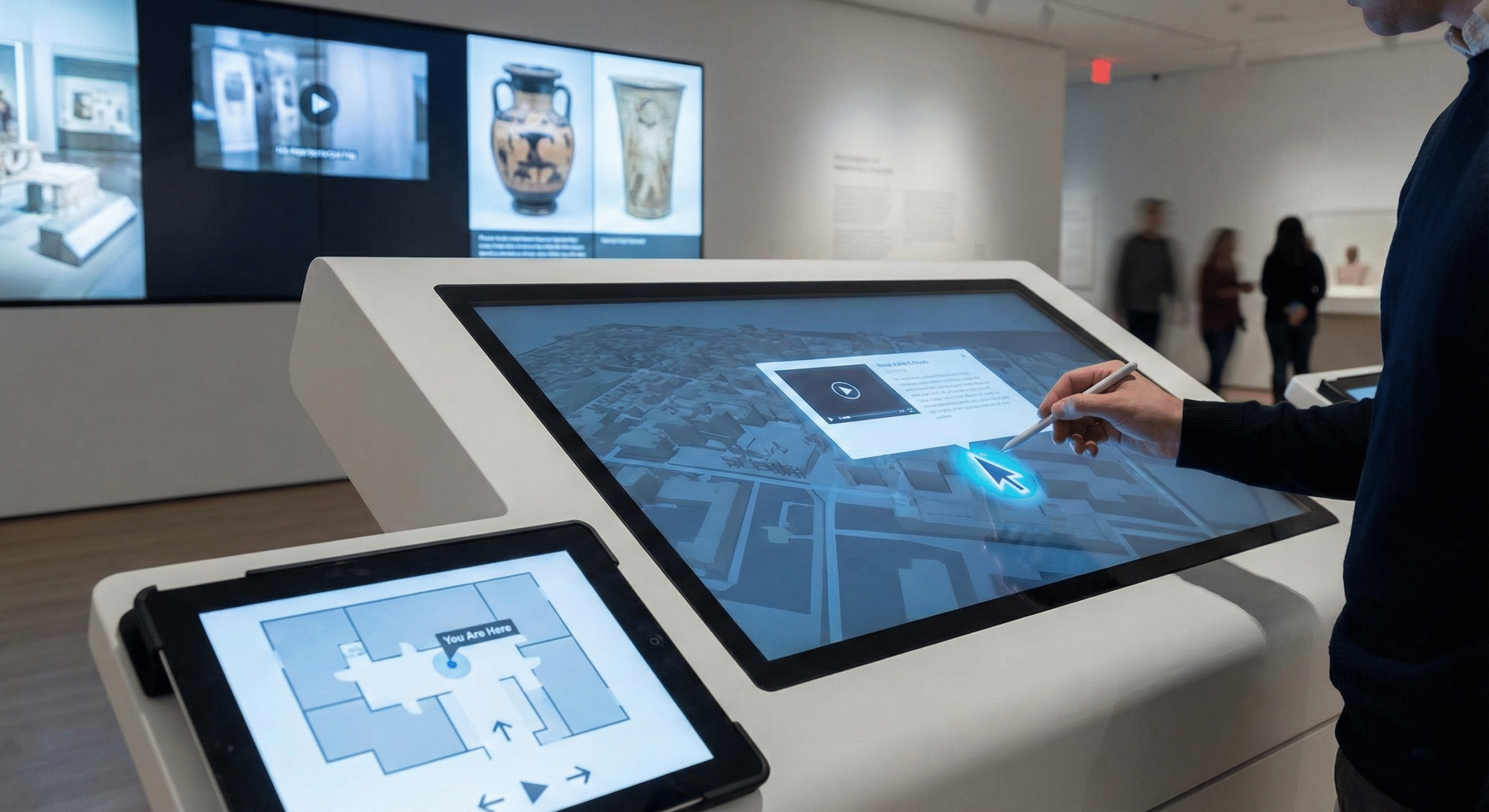
- Ability to click on elements for additional information
- Incorporating video and audio clips and explanatory images
- Indoor navigation maps for moving between rooms and sections
Practical Virtual Tour Applications
1. Virtual Tourism and Travel
- Visiting tourist attractions before actual travel – like Google Arts & Culture
- Exploring hotels and resorts to evaluate them before booking
- Virtual tours of museums and archaeological sites
2. Real Estate and Virtual Tours
- Virtual tours of properties for sale or rent
- Saving time and effort for agents and clients
- Displaying interior details with high accuracy using platforms like Matterport
3. Distance Education and Training
- Virtual tours of laboratories and research centers
- Virtual university visits for prospective students – explore Harvard Virtual Tour
- Work environment simulations for vocational training
4. Virtual Museums and Exhibitions
- Displaying art collections and cultural artifacts globally
- Interactive tours with detailed explanations of displayed items
- Providing access to audiences who cannot attend physically
5. E-commerce and Virtual Shopping
- Virtual tours inside stores and malls
- Displaying products in realistic environments
- Interactive shopping experience
Benefits of Virtual Tours for Users and Businesses
Benefits of Virtual Exploration for Users:
- Saving time and money: Exploring places without travel costs
- Facilitating decision-making: Evaluating places before actual visits
- Accessibility: Visiting hard-to-reach places physically
- Rich educational experience: Visual and interactive learning more effective
Benefits of Virtual Tours for Companies and Institutions:
- Effective marketing tool: Displaying services and products innovatively
- Increasing sales: Improving customer experience and building trust
- Competitive advantage: Using modern technology attracts customers
- Resource saving: Reducing need for repeated field visits
How to Create a Virtual Tour Professionally Step by Step
Virtual Tour Creation Steps:
- Virtual tour planning: Defining objectives, target audience, and key points of interest
- 360-degree photography: Using appropriate panoramic photography equipment (360 camera, tripod, good lighting)
- Panoramic image processing: Using software like Adobe Photoshop or PTGui to merge images
- Interactive tour assembly: Creating the tour using virtual tour platforms like Kuula
- Virtual tour publishing: Embedding the tour in websites or mobile applications
Recommended Virtual Tour Tools and Software:
- 360-degree cameras: Insta360 ONE R or Ricoh Theta Z1
- 360 video editing software: Adobe Premiere Pro, Kolor Autopano
- Virtual tour publishing platforms: Matterport, Roundme, Google Tour Creator
- Virtual reality headsets: Oculus series, Samsung Gear VR
Virtual Tour Challenges and Proposed Solutions
- High cost of professional equipment – Solutions: Start with mid-range equipment then upgrade
- Need for specialized technical skills – Solutions: Training courses or hiring specialists
- Privacy and security issues – Solutions: Clear policies and technical controls
- Accuracy challenges in detail transmission – Solutions: High-quality equipment and advanced processing techniques
Future of Virtual Tours and Expected Trends
- Integrating artificial intelligence into virtual tours to personalize experiences
- Haptic technology to add touch sensation
- 5G technology development to improve virtual reality experience speed and quality
- Integrating virtual tours with distance education more extensively
Conclusion on The Importance of Virtual Tours
Virtual tours are not just a passing technology, but a fundamental transformation in how we explore and interact with the world. With the development of virtual reality technologies and their spread, we expect virtual tours to become an essential part of our daily lives in education, work, and entertainment. The combination of technological innovation and human creativity will continue to amaze us with richer, more interactive experiences.
Join The Discussion